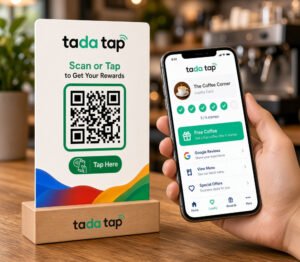
Paper stamp cards have been the default loyalty tool on the UK high street for decades, and for good reason, they are simple and cost almost nothing to print. But as digital alternatives have become genuinely easy to set up, the gap between the two has widened. Here is an honest, side by side look at both.
The problems with paper stamp cards
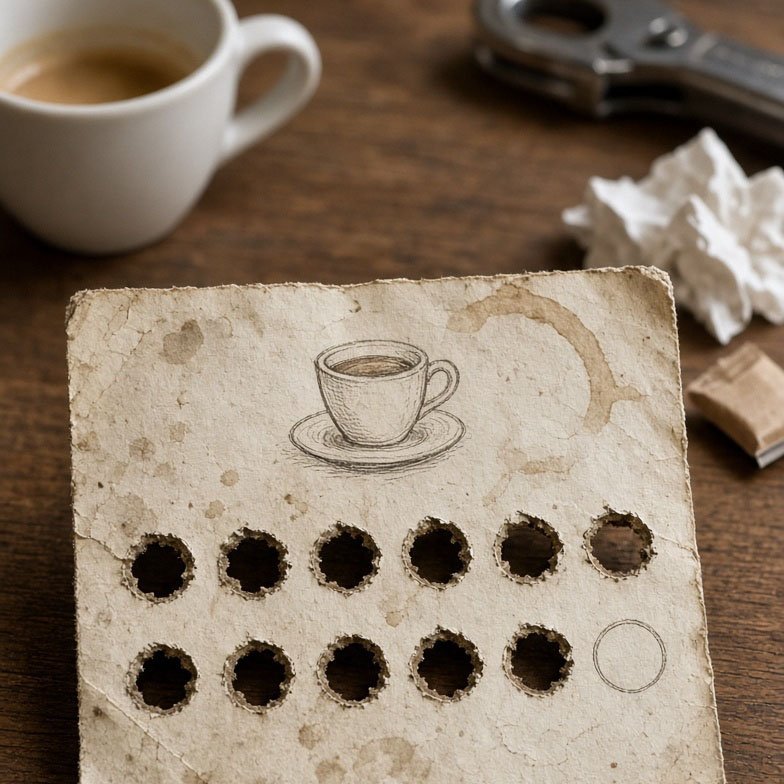
A paper card only works if the customer has it with them, has not lost it, and has not left it through the wash. Every lost card means a customer restarts from zero, which is frustrating for them and wastes whatever stamps you had already given away. Paper also gives you no visibility at all into who your regulars actually are, how often they visit, or whether your scheme is working.
There is also a quieter cost: paper cards can be stamped without a genuine purchase, whether through an honest staff mistake or otherwise, and you have no record to check against.
What digital loyalty cards solve
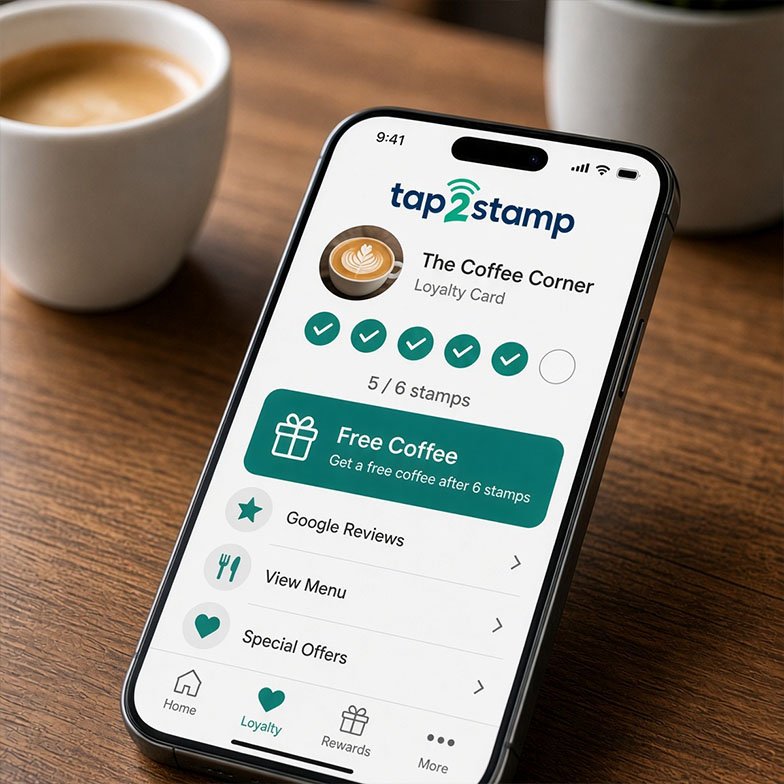
A digital card lives on the customer’s phone rather than in their wallet, so there is nothing to lose beyond the phone itself, something people already guard carefully. Every stamp is logged, which means you can see visit frequency, spot your genuine regulars, and measure whether a promotion actually increased footfall. It also opens up things paper simply cannot do, like a reminder notification when a regular has not visited in a while.
Side by side
- Durability: Paper gets lost or damaged within weeks. Digital cards cannot be physically lost.
- Customer data: Paper gives you none. Digital gives you visit frequency, timing, and redemption rates.
- Speed at the till: Paper needs a stamp pad and a steady hand. A tap or scan takes under two seconds.
- Setup cost: Paper is nearly free upfront but has an ongoing printing cost. Digital has a small one-off hardware cost and a monthly subscription.
- Fraud resistance: Paper stamps can be added without a purchase. Digital stamps are tied to a controlled action at the till.
- Brand perception: Paper increasingly reads as dated next to competitors who have already gone digital.
The customer experience difference
Ask any regular customer and most will admit to losing a paper card at least once. That moment, having to explain you have lost your progress, is a small but real source of friction in what should be a positive relationship. A digital card removes that entire category of bad experience.
What this means for your bottom line
The value of a loyalty programme is entirely in repeat visits it causes that would not have happened otherwise. If a meaningful share of your paper cards are being lost before redemption, you are paying the acquisition cost of loyalty (staff time, the free reward) without banking the full retention benefit. Digital removes that leak.
If a meaningful share of your paper cards are being lost before redemption, you are paying for loyalty without banking the retention benefit. That gap is pure upside once you switch.
Making the switch
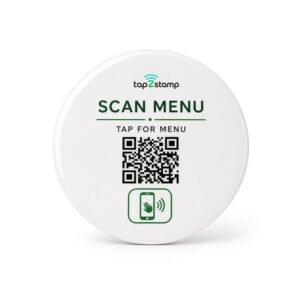
Moving from paper to digital does not require retraining your till system or your staff’s daily routine, a stand or sticker simply replaces the stamp pad. See exactly how the customer and business side works on our How It Works page, or explore TaDa Tap directly.